The Environment
A Christmas Tree Doesn’t Have to End When Christmas Is Over
One of the great environmental advantages of a real Christmas tree is that its useful life doesn’t necessarily end when the holidays are over.
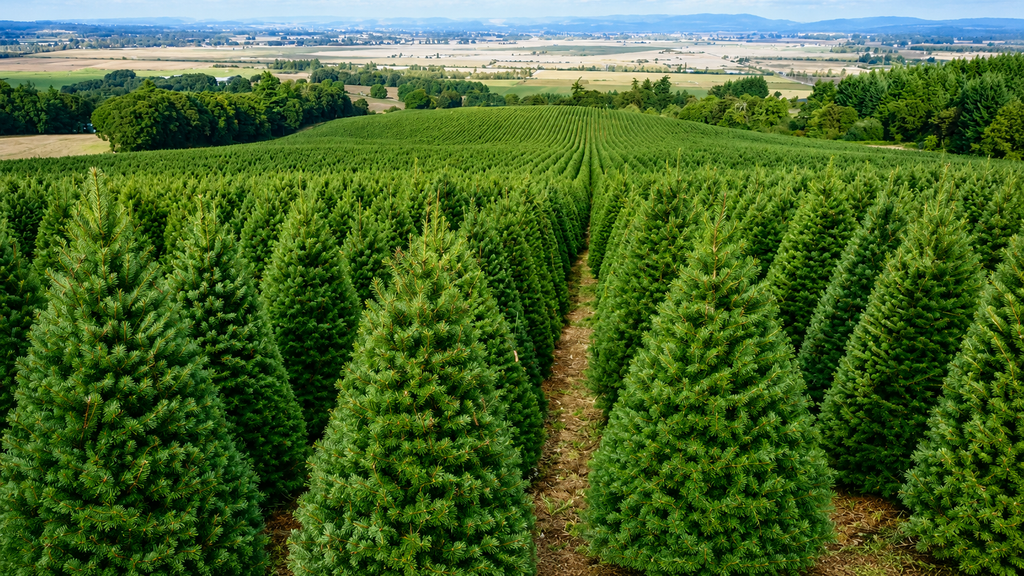
Real Christmas trees are a renewable agricultural crop. They spend years growing in the field, absorbing carbon dioxide, producing oxygen, holding soil in place and providing habitat for wildlife.
And when the tree comes home for Christmas, it takes on a completely different role. It becomes part of family traditions, celebrations, memories and the moments that make Christmas special.
But when the lights come down and Christmas is over, the tree doesn’t have to become waste.
A Christmas Tree Doesn’t Have to End When Christmas Is Over
One of the great environmental advantages of a real Christmas tree is that its useful life doesn’t necessarily end when the holidays are over.
Real Christmas trees are a renewable agricultural crop. They spend years growing in the field, absorbing carbon dioxide, producing oxygen, holding soil in place and providing habitat for wildlife.
And when the tree comes home for Christmas, it takes on a completely different role. It becomes part of family traditions, celebrations, memories and the moments that make Christmas special.
But when the lights come down and Christmas is over, the tree doesn’t have to become waste.
Its story can Continue.
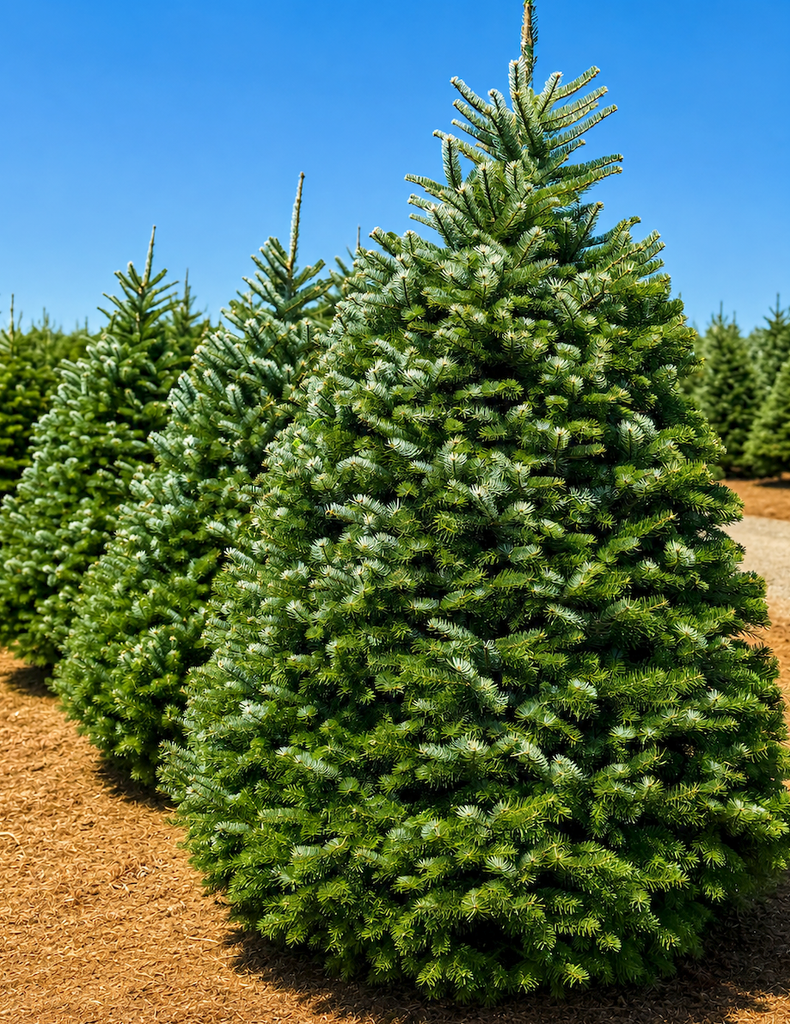
A real Christmas tree is biodegradable. It can be chipped into mulch, composted, used to help control erosion, or put to other beneficial uses. Instead of sitting in a landfill for decades, the tree can return to the earth and become part of another natural cycle.
And in the right circumstances, recycled Christmas trees can even become part of habitat restoration.
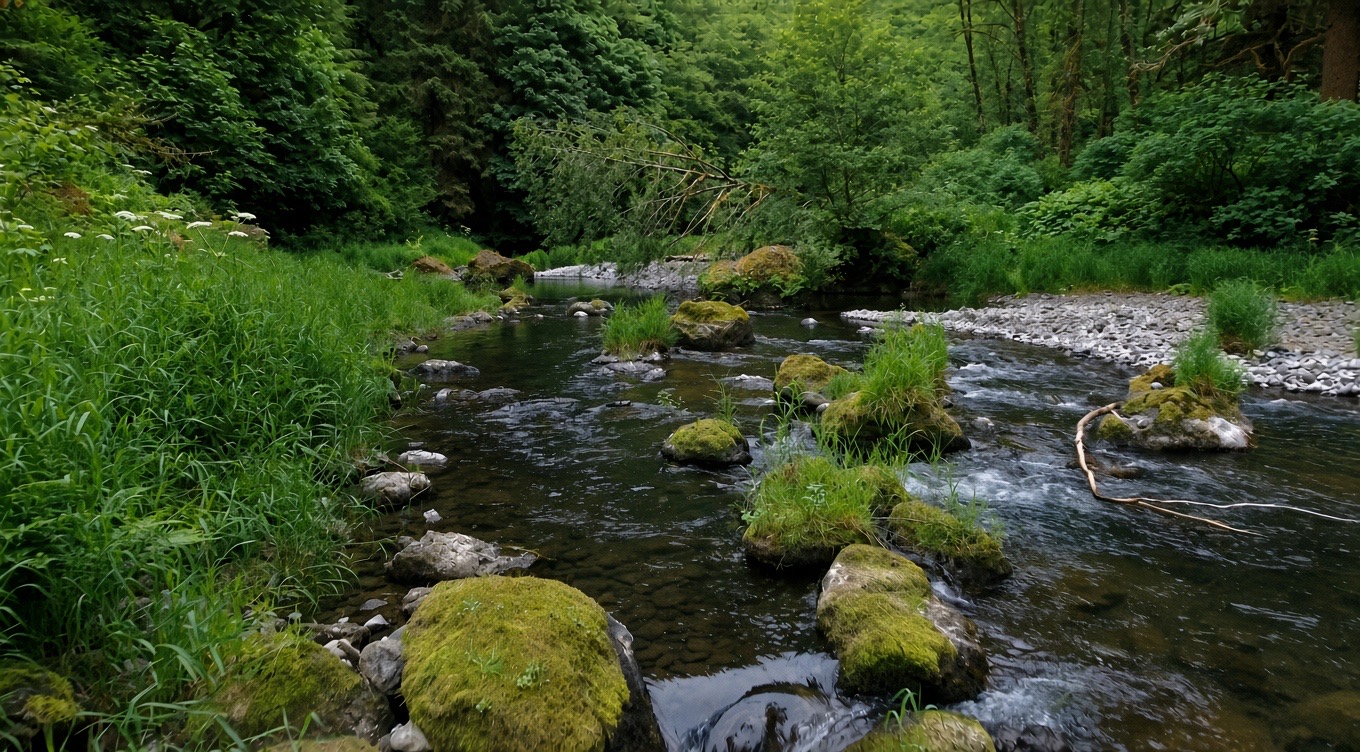
Trees and other woody material can be used in appropriate stream and watershed restoration projects to provide structure and cover for fish and other aquatic life. In Oregon, that can be especially meaningful because healthy streams are essential to salmon and steelhead.
Young salmon need places where they can escape strong currents, find food and shelter, and survive the different stages of their journey. Woody material placed appropriately in streams can help create that kind of complexity—pools, cover and refuge that contribute to healthier fish habitat.
So the life of a Christmas tree can come full circle.
It begins with a Seed.
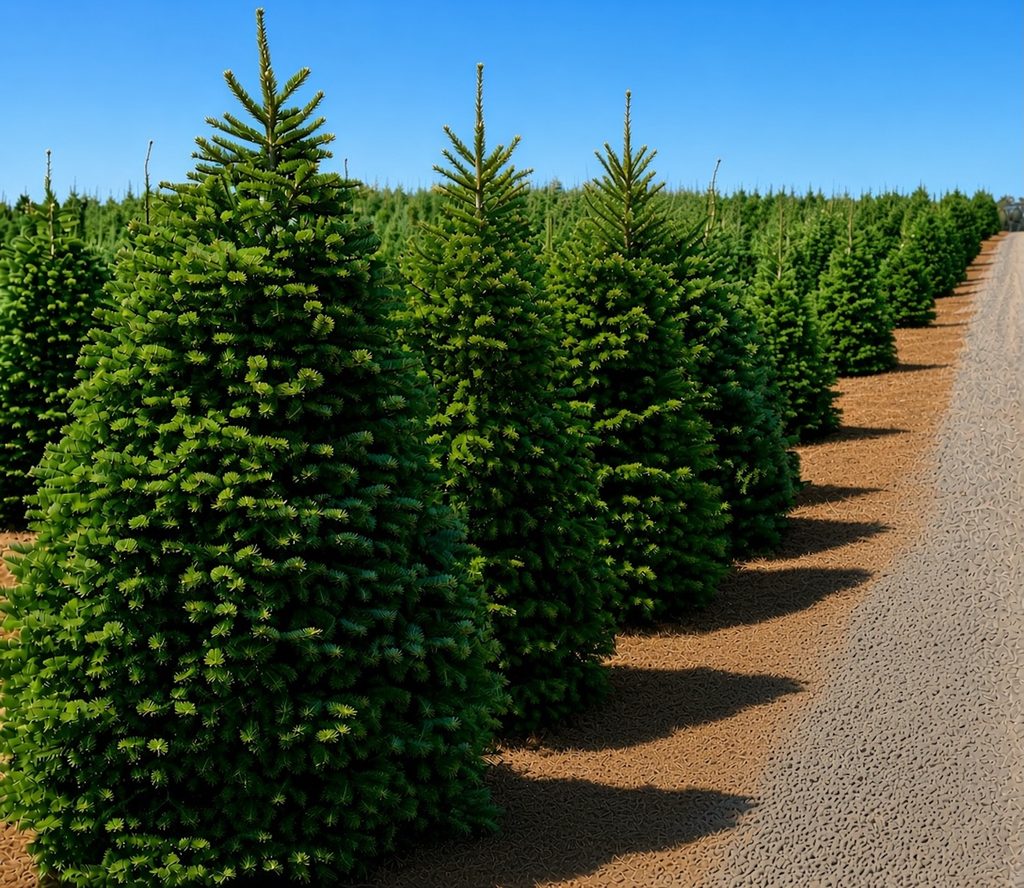
It grows in Oregon soil for years, absorbing carbon dioxide, producing oxygen, protecting the soil and providing habitat along the way.
It is harvested and brought into a home, where it becomes part of Christmas.
And when the season is over, it can be returned to the environment—where it can become mulch, enrich the soil, help control erosion, or, through appropriate restoration efforts, contribute to habitat for fish and wildlife.
That is something unique about a real Christmas tree.
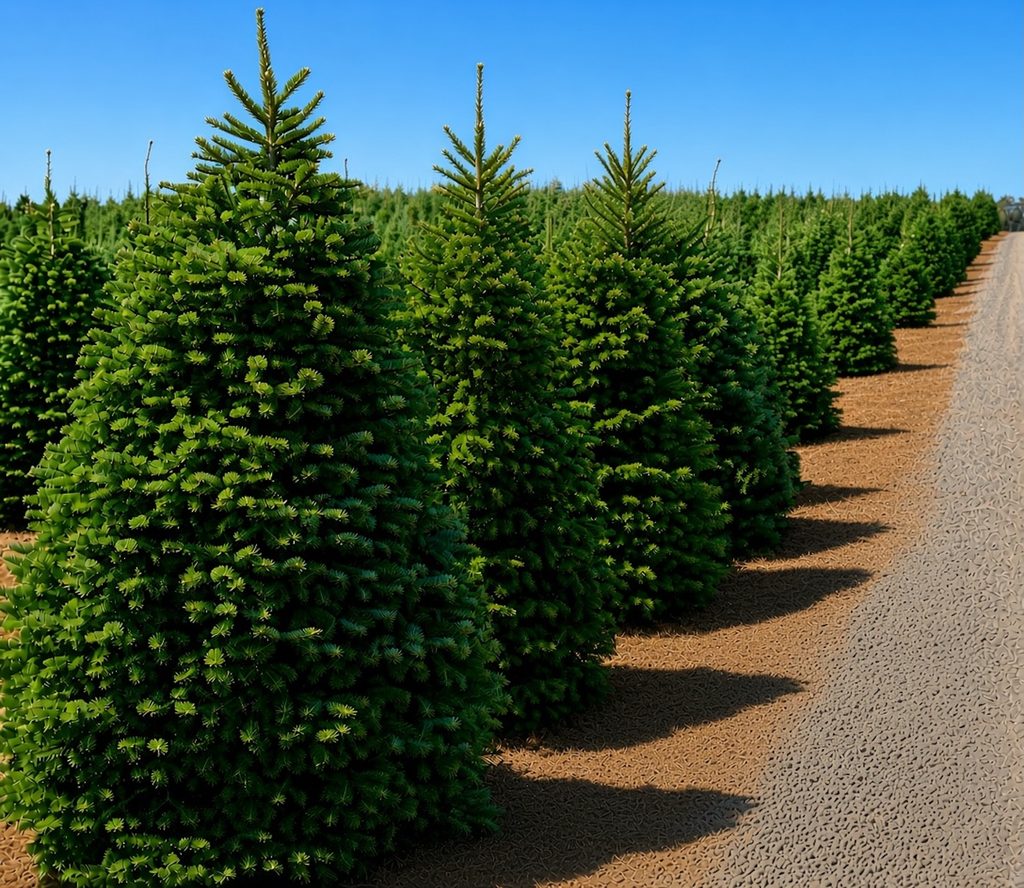
It isn’t Manufactured. It is Grown.
And when its time in your home is over, its useful life doesn’t necessarily end.
It can give something back.
From seed, to tree, to Christmas, and back to the earth—a real Christmas tree is part of a renewable cycle that continues long after the presents have been opened and the Christmas lights have been put away.
That’s the story of a real Christmas tree.
And it’s a story worth growing.